How Long Can a Solar-Powered Generator Really Last?
Solar-powered generators are gaining popularity due to their efficiency and eco-friendly nature. However, users often wonder about their longevity. How long can these generators run, and what factors contribute to their lifespan? This comprehensive guide addresses these critical questions. We will explore the runtime on a single charge, daily usage influences, and detailed examinations of component longevity. Additionally, we’ll highlight tips on maximizing the generator’s life. By understanding these factors, you can make informed decisions and elevate your solar-powered generator experience to new heights. So, let’s dive in and uncover the secrets to enhancing your investment in sustainable power solutions.
Total Runtime vs. Long-Term Lifespan
The total runtime refers to how long the generator can function on a single charge, while the long-term lifespan concerns the years of reliable use you can expect. Understanding both measures helps users plan for efficient energy use and ensures a reliable backup power source when needed.
How Long Does It Run on a Single Charge
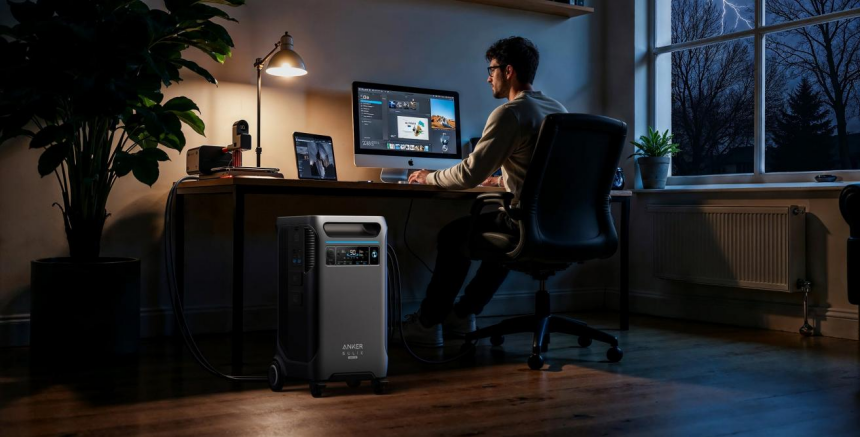
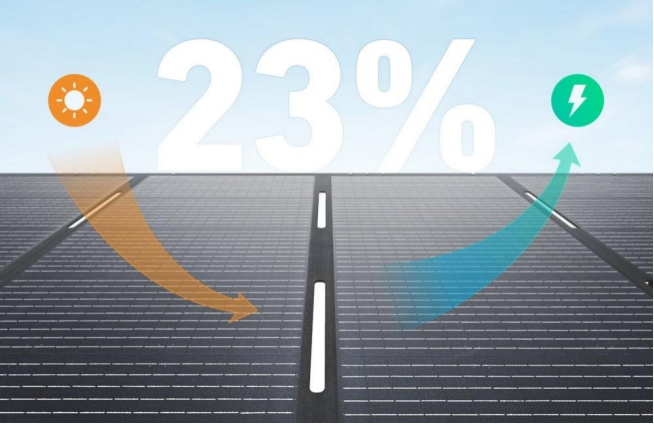
A solar-powered generator’s runtime on a single charge is essential for users relying on it during power outages or remote activities. Generators like the Anker SOLIX F3800 Plus offer significant capacity, starting at 3.84kWh and expandable up to 53.8kWh. This translates into days-to-week-long backup capabilities, depending on your usage requirements. The conversion efficiency of up to 23%, aided by monocrystalline solar cells, means faster charging times—even under suboptimal sunlight conditions—ensuring users have access to power when they need it most. Evaluating your energy needs against the generator’s specifications will guarantee optimal performance.
What Affects Runtime Every Day
Various factors affect the daily runtime of the solar powered generator. First, sunlight availability: sufficient sunlight is necessary for efficient charging. Additionally, the generator’s load dictates how power is consumed—heavier loads diminish runtime. External environmental conditions, like temperature, also play a role; extreme temperatures might affect the performance. Utilizing advance planning and ensuring optimal positioning of solar panels for sunlight capture can mitigate these issues. These factors, combined with user habits, impact daily power generation efficiency and highlight the need for proper setup and usage to harness maximum potential.
Component Lifespan Factors
Component lifespan is crucial in determining a generator’s long-term reliability. It’s not just about how long it runs but how long it serves reliably over many years.
Battery Type and Cycle Life
Battery type is pivotal for lifespan. Anker’s advanced LFP battery technology offers up to 4000 cycles to 80% capacity, ensuring durability. The cycle life reflects how many complete charge and discharge cycles the battery can undergo before its capacity reduces significantly. LFP batteries are renowned for their longevity compared to other battery types. By meticulously following charging guidelines, users can optimize these cycles, significantly extending the time between replacements and maintaining efficiency levels over decades.
Solar Panels and Electronics
Solar panels and electronics constitute the heart of the generator’s power harvesting capability. With Anker’s up to 23% conversion efficiency, these panels maximize sunlight trapping for fast recharging. Quality of the electronics affects panel efficiency and overall system reliability. High-grade components resist wear and environmental impact over time. Regular maintenance, like cleaning panels and ensuring electronic components are free from damage, ensures these systems function correctly, providing extensive service life and safeguarding sustained power availability.
Usage Patterns and Environmental Conditions
The way users operate their generators and the surrounding conditions heavily influence lifespan. Regular usage with moderate load extension benefits the system, enhancing its lifespan. Extreme weather and environmental factors pose potential threats to component integrity. Protecting the generator from adverse conditions and adhering to recommended usage can prevent premature wear. Understanding local climate behavior and adapting usage accordingly allows users to extend their generator’s operational life significantly, ensuring optimum performance over the years.
How to Maximize Longevity?
To maximize the longevity of your solar-powered generator, start by following proper maintenance routines. Routinely inspect and clean solar panels to ensure they efficiently capture sunlight. Position panels optimally to maximize sunlight exposure. Manage battery health by avoiding deep discharges and regularly inspecting connections for wear. Use your generator in moderate weather conditions when possible, and shield it from extreme temperatures and moisture. Investing in high-quality components initially, like Anker’s advanced systems, pays off by providing a robust, long-lasting power solution. Implementing these practices will boost your generator’s service life and reliability, securing your investment for years to come.
Conclusion
In conclusion, solar-powered generators are vital for sustainable energy solutions. Their lifespan depends on factors like battery cycle life, panel efficiency, and usage patterns. Anker SOLIX models exemplify long-lasting quality, with warranties spanning five years and predicted lifespans of over ten years. Smart usage and regular maintenance prolong their service life significantly. Understanding these dynamics enables consumers to optimize performance, harnessing reliable power over extended periods. By adopting informed strategies, users can enjoy the full benefits of their solar generators for decades, ensuring a stable and eco-friendly power source.