What Makes a Charger "Fast"? Key Specifications
Fast charging has become a common phrase on charger boxes, online stores, and tech ads, yet many people still feel confused when their new charger does not seem as fast as promised. In everyday life, this usually shows up as a phone that still needs an hour to charge when you expected thirty minutes. The reason is simple: charging speed depends on several technical factors working together, not just a single label or number. Understanding these basics does not require an engineering background, only a clear explanation tied to real-world use. In this article, we will break down what truly makes a charger fast and how to choose the right combination for your daily needs.
Wattage (W): The Core Power Number
How More Watts Deliver Faster Energy
Wattage is the most visible number people notice when shopping for a charger. In simple terms, watts describe how much power can flow from the charger to your device at one time. Higher wattage allows more energy to move faster, which shortens charging time during the most demanding phase. This is why a higher-watt charger often feels dramatically faster than an older low-power adapter. In daily use, higher wattage matters most when your battery is low and needs energy quickly.
Why Your Device's Max Wattage is the Limit
Even if a charger can deliver very high wattage, your phone or laptop will only take what it is designed to accept. Devices are built with safety limits to protect the battery and internal components. When you plug in a powerful charger, the device communicates its maximum supported wattage and stops there. This means buying extremely high wattage is not always useful for smaller devices. Knowing your device’s limit helps you avoid spending extra money without gaining speed.
Voltage (V) & Amperage (A): The Power Delivery Team
How Higher Voltage Increases Speed
Voltage can be thought of as the pressure that pushes electricity into your device. Higher voltage allows power to move more efficiently, especially during fast charging. Many modern fast charging systems rely on increased voltage rather than extreme current. This approach reduces heat and energy loss, which is important for safety. In everyday charging, higher voltage helps maintain speed without stressing the battery.
The Role of Amperage in Sustaining Power
Amperage represents how much current flows once voltage sets the pace. A charger with insufficient amperage may struggle to maintain fast speeds even if voltage is supported. This often leads to inconsistent charging where speed drops unexpectedly. For users, this can feel like a charger that starts fast but slows down too soon. Balanced amperage ensures steady performance throughout a charging session.
Fast Charging Protocols: The Communication Language
USB Power Delivery (PD)
USB Power Delivery is one of the most widely supported fast charging standards today. It allows the charger and device to negotiate voltage and wattage dynamically. This communication ensures power is delivered safely and efficiently at every stage. For everyday users, PD means fewer compatibility worries and more predictable charging behavior. It also enables one charger to work across phones, tablets, and even laptops.
Proprietary Protocols
Some manufacturers use their own charging protocols to optimize speed within their device ecosystem. These systems can deliver impressive performance when paired correctly. However, they may not always work at full speed with third-party accessories. This can create confusion when users mix chargers and cables. Understanding protocol compatibility helps avoid unexpected slow charging.
The Role of Cables in Fast Charging
Why a USB-C to USB-C Cable is Often Required
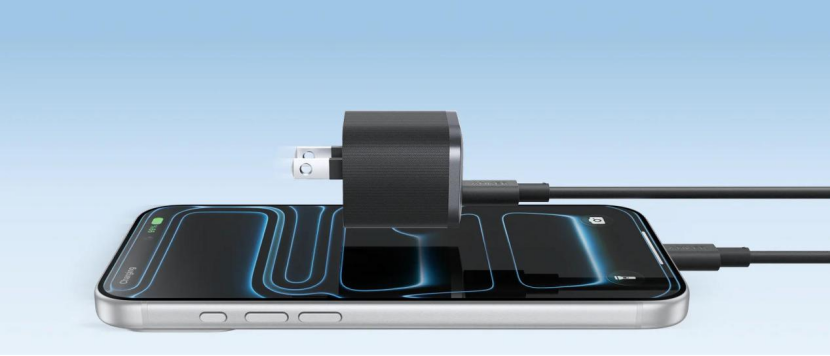
Many fast charging standards rely on USB-C connections on both ends. USB-C cables are designed to handle higher power levels safely. Older USB-A cables often limit voltage or current, reducing speed. In daily use, this explains why swapping cables can suddenly change charging time. Choosing the right cable is just as important as choosing the charger itself.
How Cable Quality and Certification Affect Speed
Cable quality plays a surprisingly large role in real-world charging speed. Poorly made cables can cause power loss, heat buildup, or unstable charging. Certified cables include proper chips and wiring to handle higher wattage safely. When people search for how to fast charge iphone 17, they often discover that a reliable certified cable paired with a trusted option like an Anker charger can make a noticeable difference in daily charging speed. This combination reduces guesswork and ensures the charger delivers its full potential. Investing in quality cables saves frustration and protects your device over time.
Conclusion
A fast charger is not defined by one number or one feature alone. True fast charging happens when wattage, voltage, amperage, protocols, and cable quality all work together. In everyday life, understanding these basics helps you make smarter buying decisions and avoid disappointment. Matching your device’s limits with the right charger and cable ensures consistent performance. When everything aligns, fast charging becomes reliable, safe, and genuinely convenient.