Why Should a Power Station Be Part of Your Family's Safety Plan?
Severe weather, aging power grids, and unexpected accidents make temporary outages a common part of modern life. When electricity stops, everyday routines quickly turn into urgent problems involving communication, food storage, medical needs, and home security. Flashlights and spare batteries help, but they often fall short when larger devices must keep running for hours or even days. A portable power station fills this gap by providing stored electricity that can safely run essential electronics and small appliances. In this article, practical reasons are explored for making a power station a core part of a household safety plan.
1. Power Communication in Emergencies
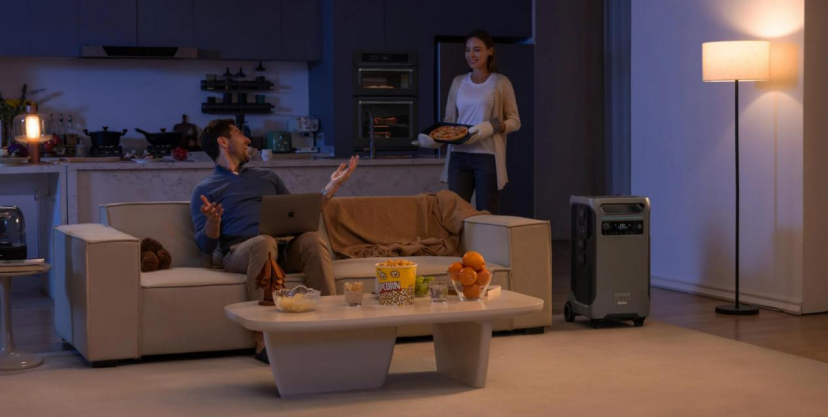
Staying connected during an emergency is not just convenient; it can be lifesaving. Mobile phones, tablets, and radios provide access to weather alerts, emergency instructions, and contact with family members. When wall outlets stop working, these devices quickly drain their batteries, cutting off vital information. A power station allows multiple communication devices to charge at the same time, helping households stay informed and reachable. This steady access to information reduces panic and supports smarter decisions during stressful situations.
2. Run Critical Medical Devices
Support CPAP Machines and Monitors
Many households rely on medical devices that must run overnight or continuously. CPAP machines, oxygen concentrators, and health monitoring equipment often cannot be skipped without serious consequences. A portable power station can supply stable electricity that keeps these devices operating when grid power is unavailable. This support is especially important for older adults and individuals with chronic conditions who may be more vulnerable during emergencies. Reliable backup power helps maintain health routines and reduces the need for risky travel during outages.
Keep Medications Properly Cooled
Numerous medications, including certain injectables and liquid prescriptions, require refrigeration to remain effective. During a long outage, a standard refrigerator may warm up faster than expected, putting these medications at risk. A power station can run a small medical fridge or help cycle power to a full-size refrigerator to maintain a safe temperature range. This protection preserves treatment plans and avoids costly or difficult medication replacements. Consistent cooling also brings peace of mind to caregivers managing sensitive health supplies.
3. Preserve Food and Basics
Power a Mini-Fridge to Save Food
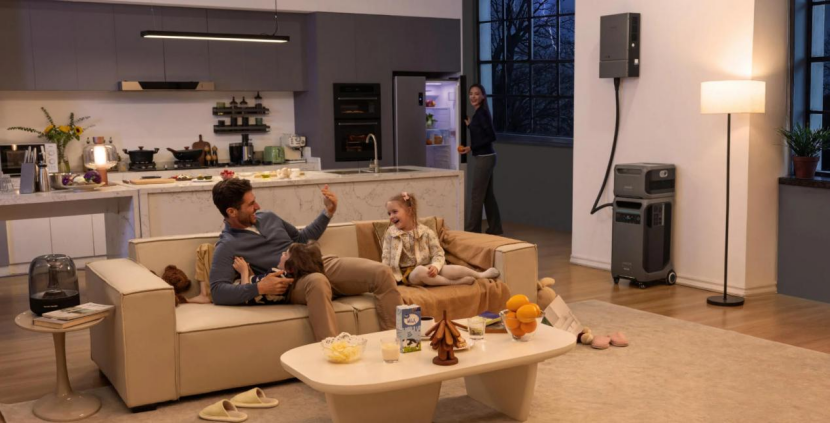
Food safety becomes a major concern when refrigeration fails for extended periods. Perishable items such as dairy, meat, and leftovers can spoil quickly, leading to waste and potential illness. A portable power station can run a mini-fridge or intermittently power a larger refrigerator to keep temperatures lower for longer. This added time allows families to plan meals more carefully and avoid unnecessary grocery losses. Keeping essential food fresh also reduces the stress of finding open stores during widespread outages.
Run a Fan or Small Heater if Needed
Indoor temperatures can become uncomfortable or even unsafe when heating or cooling systems shut down. In hot weather, a simple fan can improve air circulation and help prevent heat-related discomfort, especially for children and older adults. In colder conditions, a small space heater used carefully and briefly can take the edge off dangerously low temperatures. A power station provides the flexibility to operate these small climate devices in short intervals to manage energy use wisely. This targeted comfort can make a significant difference in overall well-being during a blackout.
4. Maintain Security and Light
Dark homes are more difficult to navigate and can increase the risk of trips and falls. Battery-powered lanterns help, but they often do not provide enough light for extended tasks or larger rooms. A power station can run LED lamps, motion lights, or even parts of a home security system, such as cameras and Wi-Fi routers. Maintaining some level of lighting and monitoring supports both physical safety and home security. Well-lit spaces also help children feel calmer and allow adults to handle tasks more effectively.
5. Offer Portable, Safe Energy
Use Safely Indoors (No Fumes)
Traditional fuel-powered generators can produce harmful fumes and must be used outdoors, which limits convenience and creates safety risks if used improperly. Portable power stations store energy in batteries, allowing safe indoor use without exhaust gases. This makes them suitable for apartments, small homes, and shared living spaces where outdoor placement may be difficult. Quiet operation also reduces stress, especially at night or in crowded shelters. Cleaner indoor power supports a safer and more comfortable emergency environment.
Take Power Anywhere During Evacuation
When emergencies such as storms, fires, or other hazards require you to leave home quickly, a portable power station can be taken along with your essential belongings to keep electricity within reach. A reliable option like the Anker SOLIX portable power station combines a high-capacity battery with versatile outlets to keep phones, lights, and small appliances running during travel or temporary shelter stays. Its durable build and efficient power management make it a practical choice for both short evacuations and prolonged disruptions. With portable power, you can maintain communication, lighting, and basic comfort even when you’re away from home.
Conclusion
Power outages disrupt far more than lighting, affecting communication, health, food safety, and personal security. A portable power station acts as a flexible backup system that supports many of the devices families rely on every day. From keeping medical equipment running to preserving food and powering lights, stored electricity adds resilience to household safety plans. Portable, battery-based systems also provide cleaner and quieter energy than traditional fuel options, making them easier to use in a wide range of living situations. Including a power station in emergency preparations strengthens a family’s ability to stay safe, informed, and comfortable when the unexpected occurs.